
Beyond the room – carrying lived experience from consultation to informed change
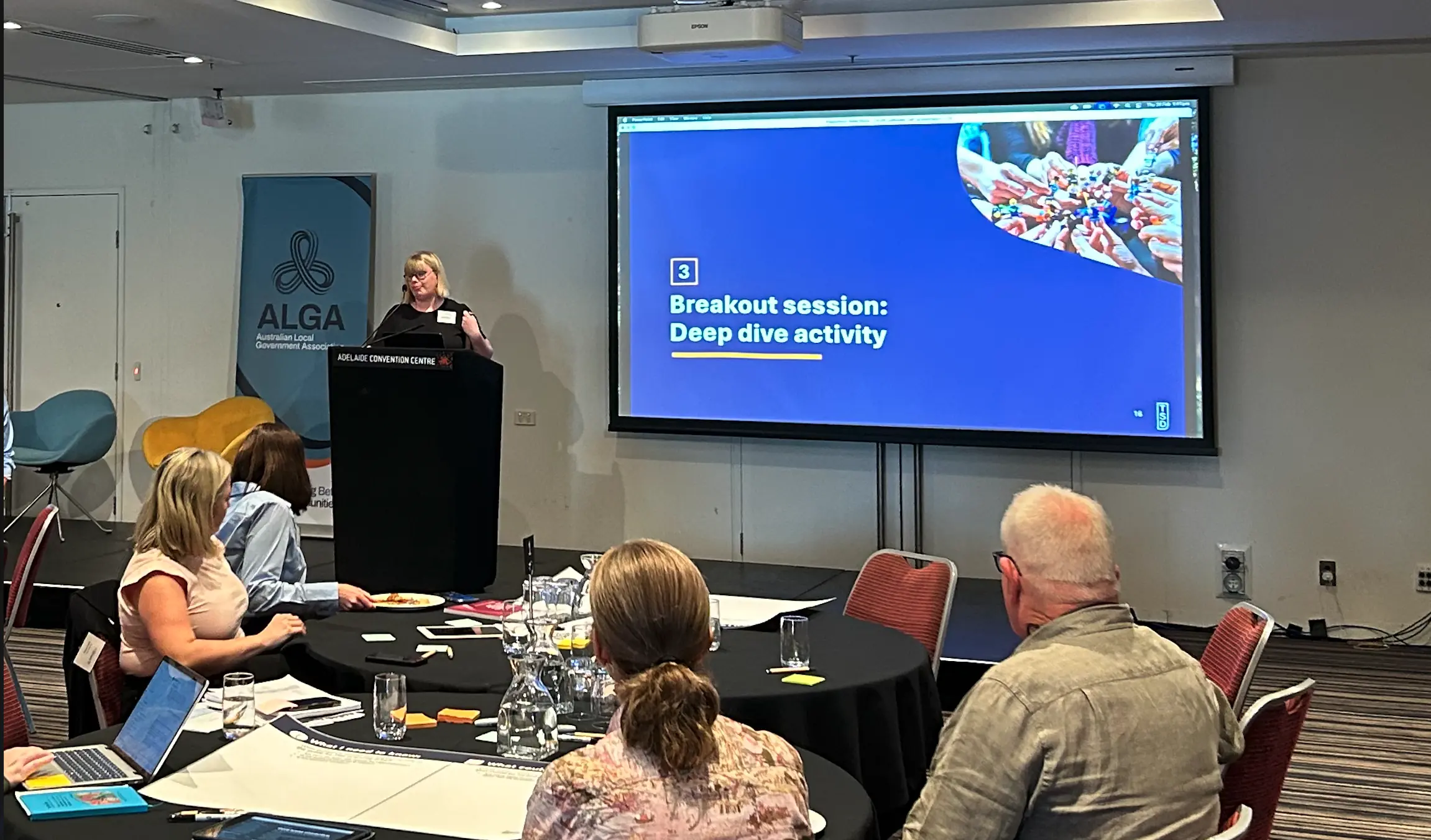
Each person has different issues that matter to them. And we all have unique perspectives on how issues can be addressed and who can make a difference addressing them.
As a person with disability, I know first-hand why people need to feel and be heard. We have a long and rich history of advocacy for disability rights, framed around the phrase ‘nothing about us, without us’, we recognise the need for input of people with lived experience in every decision that affects our lives.
The international disability rights movement hinges on that sentiment. In 1981, the United Nations recognised the International Year of Disabled Persons and this was also a year when activists organised protests right around the world, including Australia.
As that happened, it was also the beginning of an ideological shift from a medical understanding of disability to one rooted in respecting how external environments interact with disability to create barriers (social model) and to upholding human rights for people with disability (human rights model of disability).
It’s now understood that people with disability need to be central to decision-making. This is rooted in a rich disability rights movement in Australia. In recent years of disability reforms, the urgency for the voices of people with disability to be heard and amplified has intensified.
What this means to TSD
For more than 7 years, we’ve been working extensively on disability and other social policy. From research and reviews, to community engagement processes, ‘nothing about us, without us’ in central to the work we deliver in this space.
That’s because our role, in part, is making sure the voices of people with disability are heard and part of the conversation. It’s about making sure lived experience informs decisions and shapes the issues that impact people with disability.
This isn’t just about disability-specific policy either. From education to preventive health, aged care, transport and reducing rates of domestic and family violence, our work focuses on making sure the disability community are part of the conversations and, where possible, decisions.
It’s about listening, but it’s also about doing something meaningful and real with the stories and views people share.
Disability engagement is led by people in the team who have disability. We bring our own lived experience perspectives and understanding as well as our expertise in disability policy and advocacy.
The quiet case for listening – unreported impacts of good engagement
Consultations have taken us from chilly mornings in Hobart to the rugged, humid Top End, and from city to outback.
As we’ve crossed this vast country to listen, one thing has stayed with us and that’s often not reflected in our reporting. It's the quiet gratitude at the end of a session. The person who says, almost in passing, ‘this is the first time I've been able to share this somewhere’ and 'I didn’t know others felt the same way and want the same change.'
It’s even better when people feel heard by someone who gets it. Having disability representation in facilitation or people with disability leading the sessions often helps someone feel safe to speak, to share their own story. They build trust in that person receiving their experience, knowing they will respectfully carry it to where it needs to go. This also helps to shape future experiences of someone who is on the receiving end of services or systems that were first developed without them in mind.
This is the quiet case for inclusive and accessible consultation.
It doesn’t only build better policy; it also honours something that is often missed in democracies - acknowledgement that the people most affected by a decision are often the ones who understand solutions most clearly. Again, it’s about embedding ‘nothing about us, without us’. Our job is to find more ways to make sure the solutions and issues are also heard by the people who can act on them.
Getting inclusive, accessible consultation right
It is not chance that makes a consultation inclusive or accessible, it is sustained effort: time taken before a consultation to prepare, thoughtful actions during, and deliberate follow-through afterwards.
As part of the senior specialist team for more than 2 years, I’ve seen how good practice, learning and growth can be embedded in organisations engaging with people with disability.
Here are some of the things we do to make sure consultation is inclusive and accessible, and that lived experience is central in creating the change needed.
You can find more about engaging with autistic people and with First Nations people in our other blogs.
Setting up right
MUST DO: Establishing and sticking to principles for inclusive engagement
When we begin an engagement process, we develop and engagement plan that includes clear principles for how we will engage. These always include a strong focus on inclusion and accessible. For disability-specific engagements, these are tailored to ensure we undertake engagement with:
- mutual respect including disability-led consultation - a nothing about us, without us approach
- flexibility - ensuring there are a range of ways for people to engage and giving time for input
- recognition and responsibility - recognising biases and importance of representation and intersectional voices
- safety and trauma-informed – taking additional actions and care to ensure the safety and wellbeing of people during all parts of the engagement.
More practical things to set up a consultation well
- Ensure accessible reading materials are available in Easy Read, plain English format, with large print and braille available on request
- Book venues that are physically accessible, with wheelchair access, accessible toilets, and quiet spaces for people to step away from the consultation area if they need a change of pace for a while
- Book Auslan interpretation and/or closed captioners to ensure that people who are d/Deaf or hard of hearing can participate
- Send information to participants about the consultation (what to expect during a consultation, reading materials, information about venue access and any other relevant accessibility details). We share more about this on our blog about engaging with autistic people.
- Confirm individual access needs with registered attendees ahead of time rather than assuming the standard provisions will cover everyone.
Delivering well
MUST DO: Disability-led and professional facilitation
The Social Deck has in-house lived experience facilitators and sub-contracts facilitators with disability. There are many disability leaders, experts and expert facilitators available and depending on the topic of your consultation, they will bring a specific expertise on the topic as well as their own lived experience to the conversations and consultation outcomes. A good first point of contact is the Disability Leadership Institute. I’m a member of the vibrant community there.
We also often partner with disability representative organisations to deliver focus groups and other engagements with specific audience groups, so people are engaged through known and trusted networks.
More practical things to do during your consultation
- Check and test your technology and make sure there is phone support for people who may be having issues with access to online engagements
- Ensure microphones and hearing loops are available at events in person
- Build in rest breaks for participants to be able to manage any fatigue and sensory overload
- Allow support people to attend
- Provide trauma-informed consultation with a counsellor available for confidential support and/or debriefing with any attendees.
- Facilitation is led by people with disability. First Nations engagements should be led by First Nations people and engagement specialists.
Closing the loop
MUST DO: Send a summary of the meeting or event to participants and keep them up to date about outcomes.
This is often one of the hardest, but most important things, to do. Our work is generally reliant on government decisions and outcomes so closing the loop can be out of our control. BUT there are things we do to make sure participants know they have been heard, such as:
- providing even a brief written summary of what was discussed, and what happens next - closing the loop matters, especially for communities that have experienced consultation fatigue
- being clear about where participants can find updates.
More practical things to do after the consultation
- Give people the chance to debrief after the session – this might be with facilitators or a support and wellbeing person, particularly when the subject matter might be difficult or cause distress.
- Hold a debrief event
- Send a thank you message, and include links to more information
- Offer a way for people to provide additional input if they need more time to reflect.
Jane Britt is Senior Consultant and Advisor at The Social Deck. She is a disability policy and inclusion specialist, and a lived-experience advocate focused on accessibility, inclusive infrastructure, and systemic change. If you’d like to know more about how The Social Deck can support your work in inclusion and accessibility, get in touch.

Read more posts

Storytelling and behaviour change
September 7, 2018
.png)
Top tips to reach multicultural audiences
August 29, 2022
%20(1).jpg)
Beyond the static page: why we build microsites
August 17, 2026


