
World Autism Awareness Day is here again.
The theme for this year is an interesting one: ‘Autism and Humanity – Every Life Has Value’, which, according to the UN, ‘highlights and affirms the dignity and worth of all autistic people as part of our shared human future’. It has me reflecting on the difference between assimilation and inclusion, which is the difference between finding ways to fit people into the standard mould or welcoming them as they are. To recognise the dignity and worth of autistic people, we really need to step away from just defining those concepts in neurotypical ways.
We’re not undignified when we stim. We’re not less worthy if it takes us a little longer to react or respond to something. We’re not less human when we can’t form words for our thoughts and feelings and ideas. It’s not undignified or unworthy for us to need, ask for or accept support.
These are all things I know logically, but I’ll admit it’s not so easy to feel like they’re true when we’re surrounded by social signals telling us otherwise. Not least when you’ve spent most of your life undiagnosed and unidentified, believing that the difference is just that you’re not trying hard enough or that you’re just doing a bad job at being a person.
I don’t share that to be negative – quite the contrary. We have an antidote and it’s autism awareness. It’s autistic representation and autistic opportunity and autistic celebration of autistic joy.
This year, for me, it's looked like:
- watching and supporting other autistic and neurodivergent people around the country share their experiences and advocate for their needs and priorities and rights as part of consultation and codesign processes on a range of topics, including:
- ensuring that employment, education, healthcare, justice and other community settings are welcoming, enabling and safe for neurodivergent people under the Disability Discrimination Act
- the barriers neurodivergent people experience in air travel, from booking through to check in, navigating airports and security, boarding, in flight and arrival, and how the new Aviation Disability Standards can support a better and more accessible experience
- the importance of NDIS Rules that recognise the expertise of autistic people in their own needs and reflect that items that others may consider frivolous can be essential tools for feeling comfortable and safe and participating in community life
- what inclusive and empowering education can look like for neurodivergent students and how that can be better supported by the Disability Standards for Education.
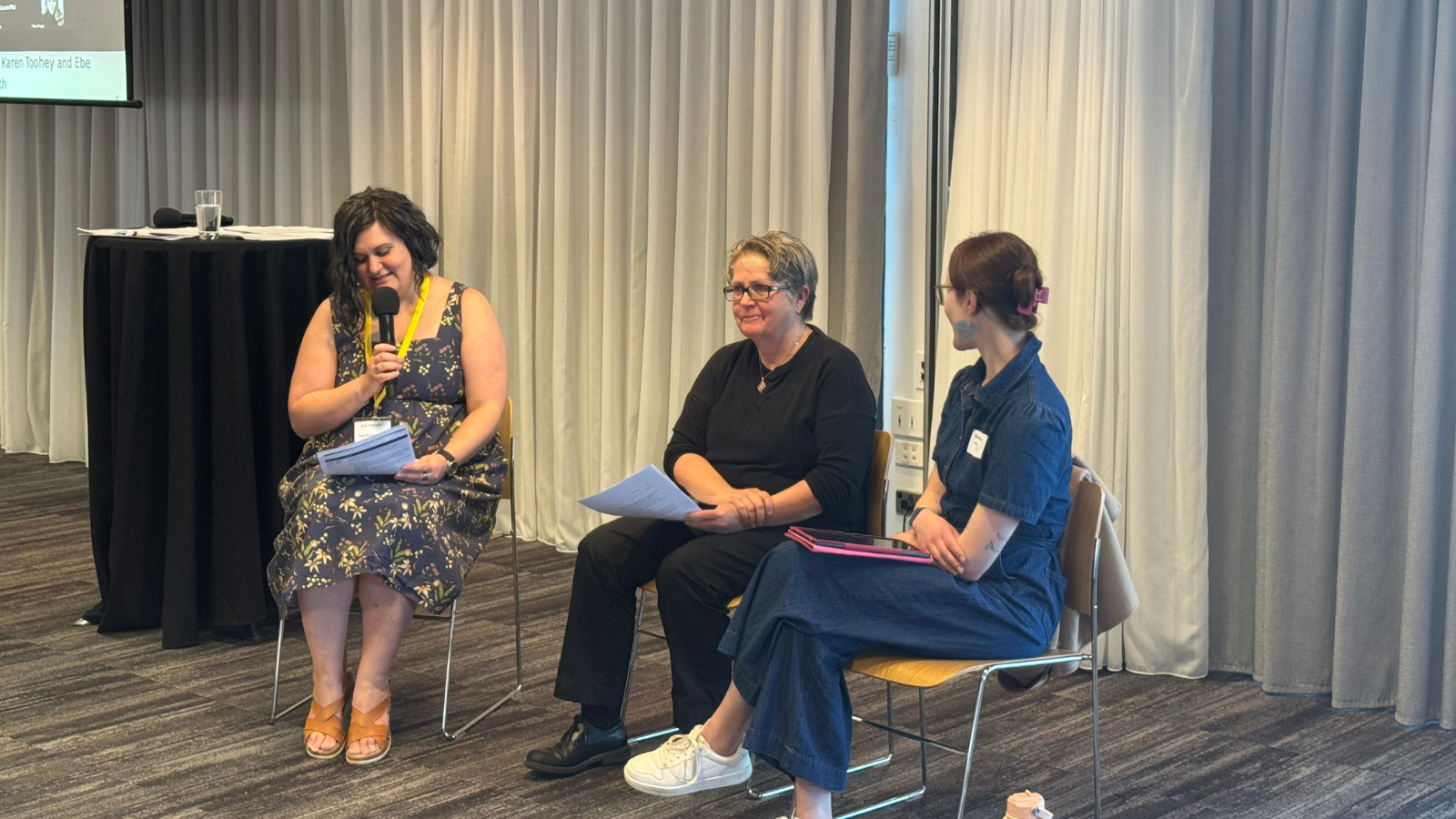
- attending events in disability advocacy and policy spaces and experiencing recognition, acceptance and integration of neurodivergent ways of being and doing
- following and getting to catch up with other autistic and neurodivergent folks we’ve worked with (and meeting more along the way) and seeing how much they’re accomplishing (without having to compromise on or ignore who they are)
- following other past partners and collaborators as they continue to push for better outcomes and experiences for autistic people, such as through neurodivergent-led research funded by the National Disability Research Partnership
- following the progress of systemic change and initiatives as part of the National Autism Strategy and the National Health and Mental Health Roadmap.
I’m so looking forward to what this next year brings as autism awareness grows and grows.

.jpg)


