
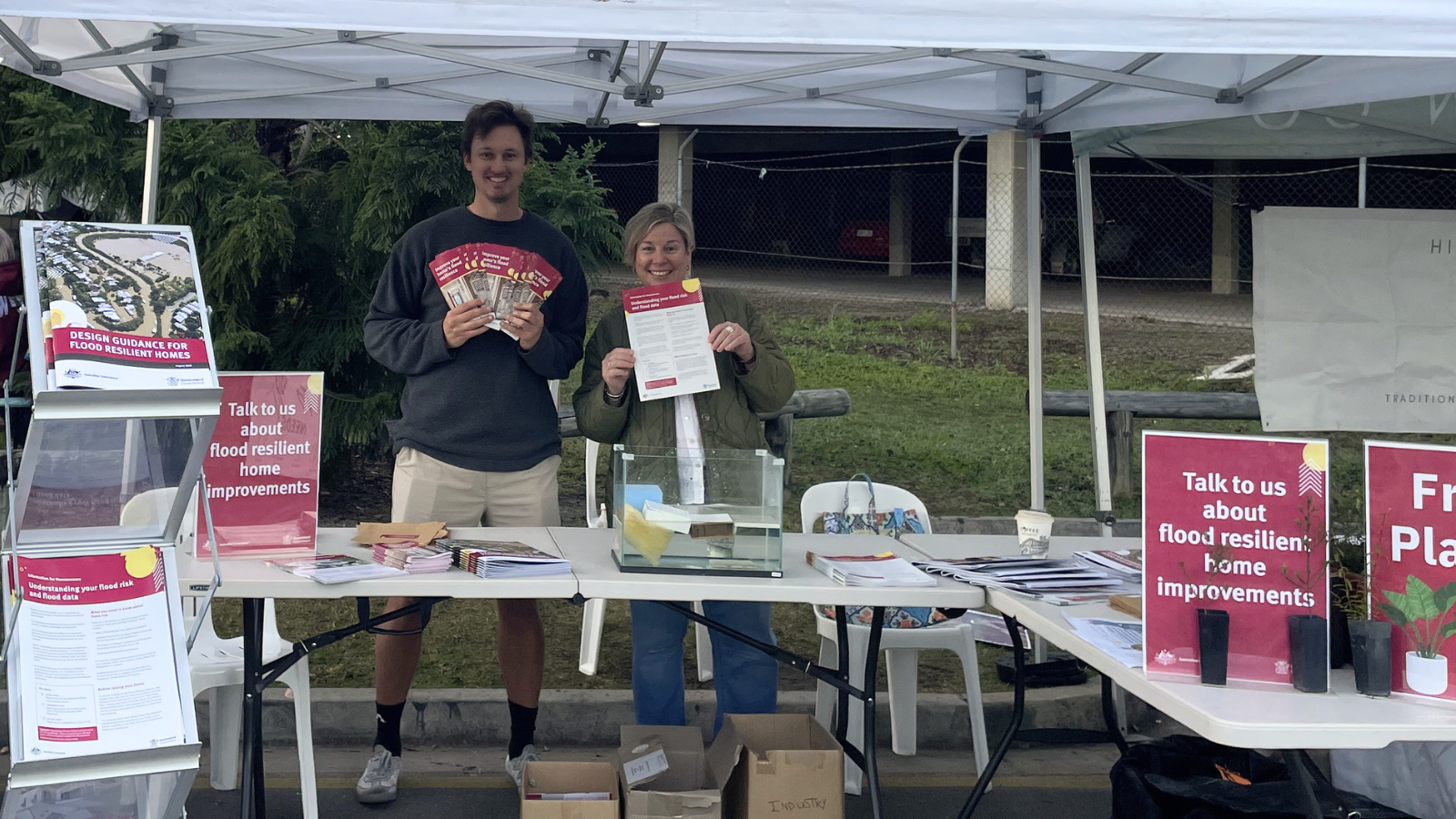
Sustainability comes in many forms. With Earth Day on the mind this week, I wanted to reflect on what I’ve learnt while working to promote sustainable and resilient building practices in Queensland. We’ve been supporting the Queensland Department of Housing and Public Works on this project over the last 18 months – with the aim of improving the reach and effectiveness of the Resilient Homes Fund (RHF).
What is the RHF?
The RHF is a $741 million program, created after the Southeast Queensland floods of 2021-2022. It was designed to help homeowners complete flood-resilience works like home raises, rebuilds and retrofits.
What does flood resiliency look like?
As a Canberra man, I’ve experienced glimpses of heat waves, bushfire seasons, arctic temperatures, and the occasional minor earthquake. It wasn’t until I moved up north that I realised just how catastrophic Queensland storms can be, and the effects they have on communities.
Unfortunately, there is no clear-cut solution to living in a flood-prone area, but there are steps homeowners can take to protect their home with tailored resilient building solutions.
When I think about sustainability at home, my mind immediately goes to solar panels, compost bins or the way we use water. Flood-resilient building design is a sustainable solution that can fly under the radar.
So now you’re probably thinking ‘what does flood-resilient building design have to do with sustainability?’ Well, every year in Queensland, thousands of tonnes of flood waste go to landfill. But there are simple steps that can reduce the strain after a flood event.
Flood-resilient design can be incorporated into many parts of the home with the intention to reduce waste and allow materials to be repaired or reused rather than needing to be replaced. This saves homeowners money, energy and time when recovering from a flood.
The best part – it means a trip to the hardware store. The happiest place on Earth.
Resilient building design incorporates materials that can be bought from your local hardware store, including:
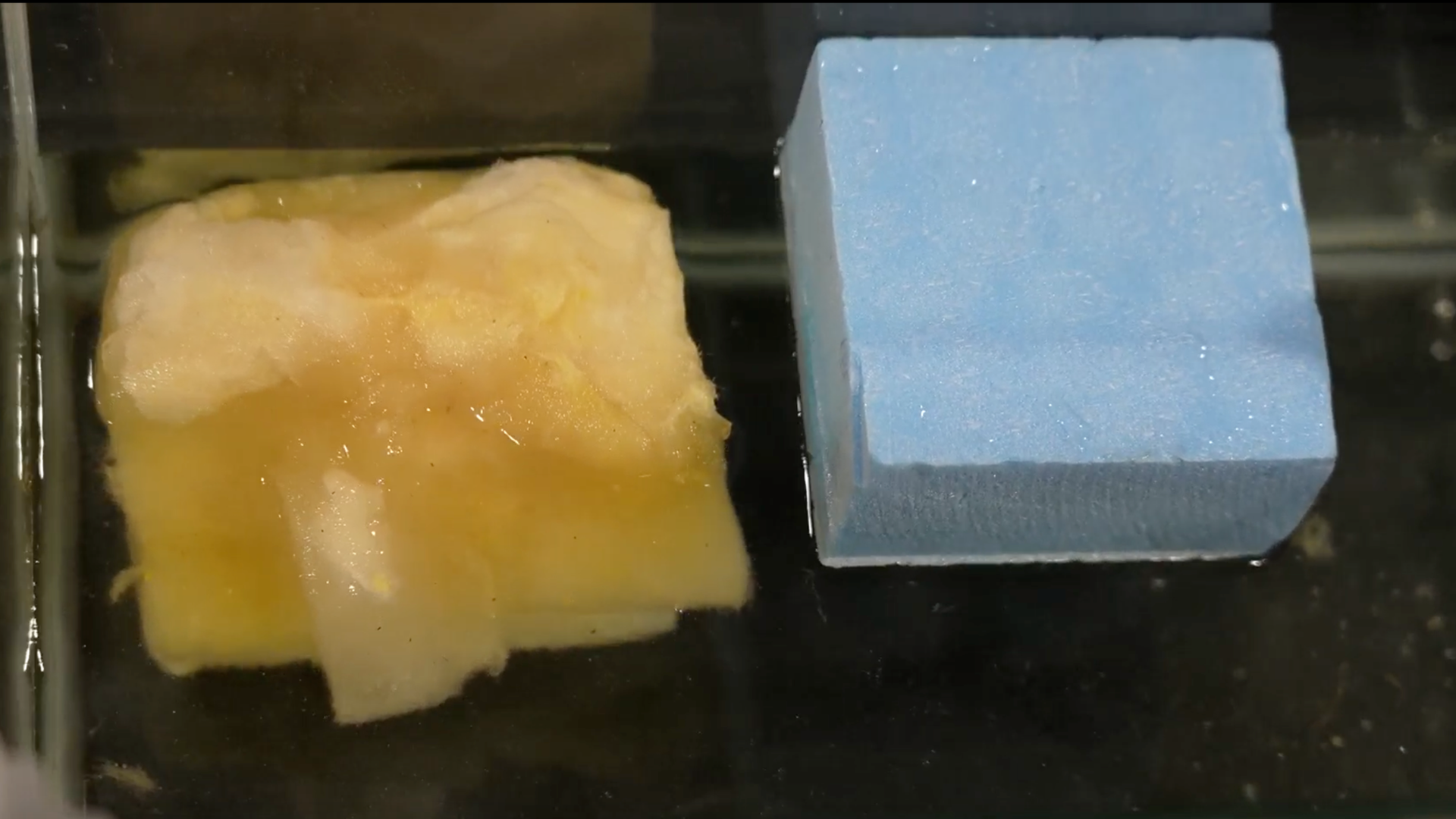
- fibre cement sheeting – this can be used instead of gyprock for internal walls. It’s water-resistant and better withstands flooding without needing full replacement
- rigid insulation – rather than standard fibreglass batts, which absorb water, this prevents moisture being trapped in wall cavities and the introduction of mould
- solid core doors – these are less likely to swell and warp when exposed to floodwater, especially if you paint the bottom edge.
- You can also think about raising essential services, such as switchboards, power points, and air conditioning units above previous flood levels. This will mean less damage, and you can keep your home functioning after a flood.
Where do we fit in with all this?
Throughout the RHF program, homeowners faced challenges with the availability of builders and trades in their area. We supported the Department to help connect the two and bridge the gap.
From Gympie to Ipswich, we helped facilitate 'speed dating' style events where homeowners could link up with local builders. This gave them an opportunity to discuss their needs, find a builder that was right for them, and ensure their works could be completed within the program timelines.
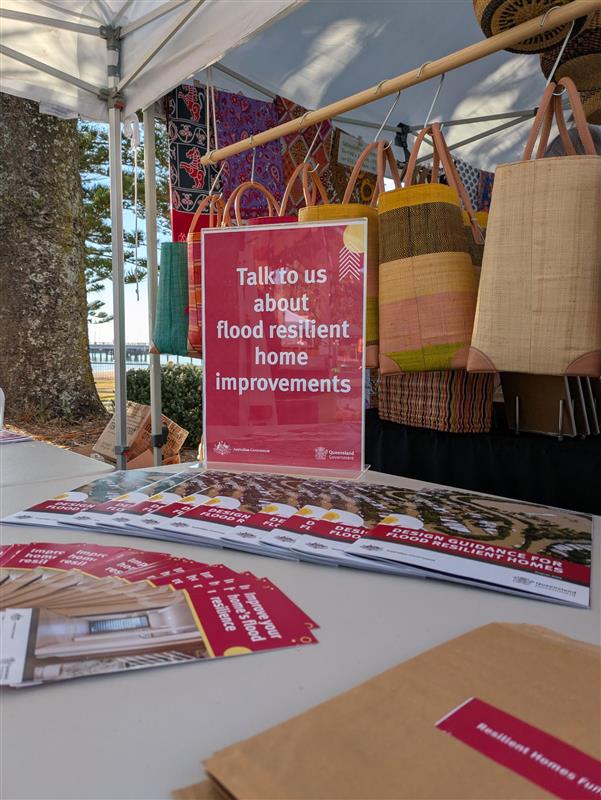
As funding applications wrapped up, our focus shifted to a broader style of community engagement. Along with the RHF team, we attended local expos and markets to raise awareness of flood-resilient and sustainable building design with people in flood-prone communities.
.jpeg)
In addition to these community events, we've also developed communication products including videos, fact sheets, brochures, and newsletters - all tailored to key audiences including homeowners, the building industry, and flood-prone communities.
It’s been eye-opening to learn about the variety of resilient design approaches that can be incorporated into Queensland homes - to cut waste and create a more sustainable way of living.
I’ve found that sustainability isn't just one, tangible thing - and it never was. This Earth Day let’s reflect on how new thinking is cracking old problems open. The solutions are changing, and so should we.

Read more posts

Open for business, from a physical distance.
March 26, 2020

#ChooseToChallenge this International Women’s Day
March 11, 2021

Business is growing: with heart and purpose
February 4, 2019


